1) Site review
We walk the lot with the owner, review access and visibility, and confirm whether the site is suitable for habitat work.
Home Hive Hosting Apply to host a hive Read the RFP DV-25-645 proposal document
BeeSpace works with property owners and local volunteers to transform underused parcels into maintained pollinator gardens with responsibly sited hives, California native plants, and ongoing stewardship.
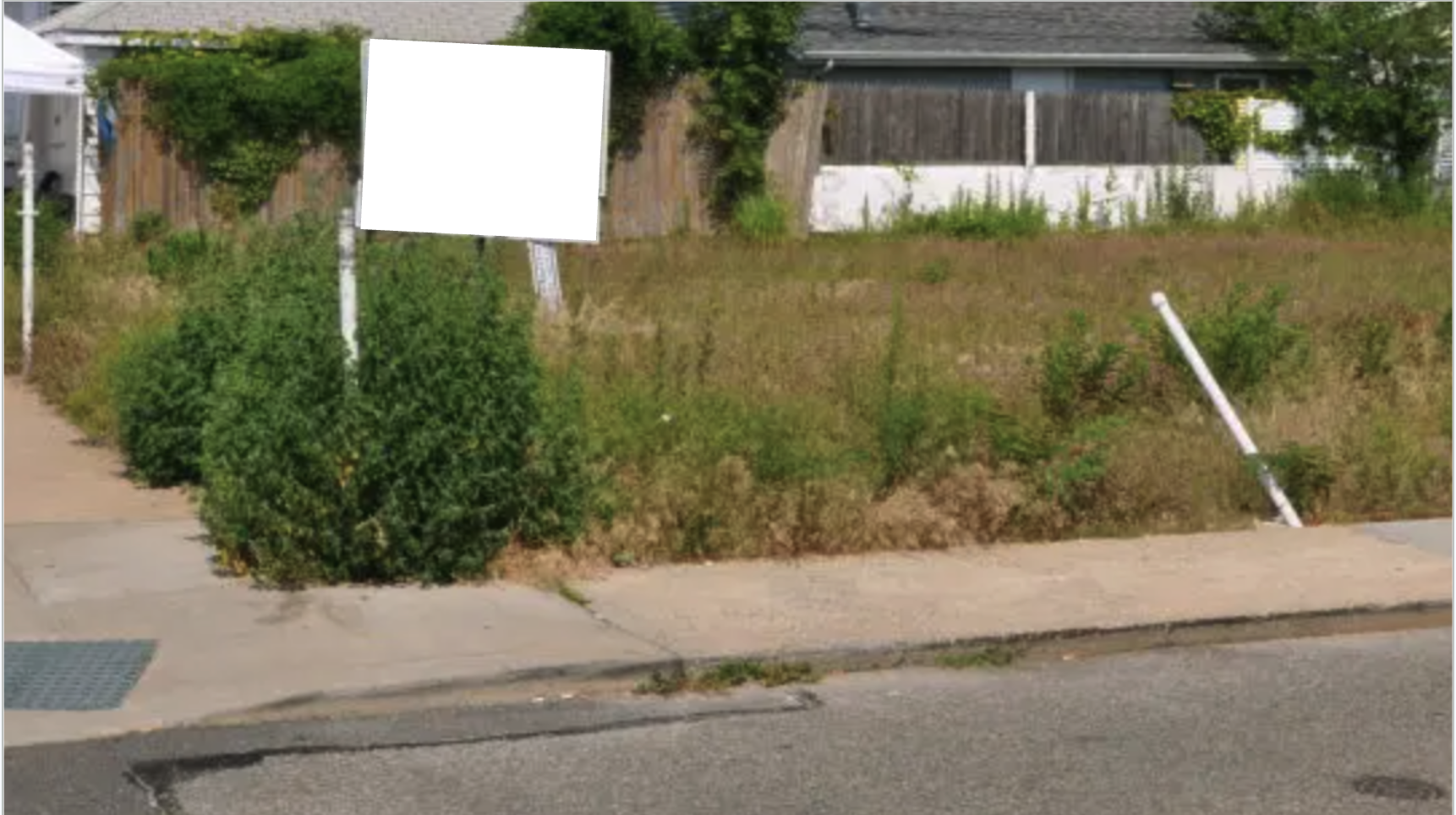
Before
After
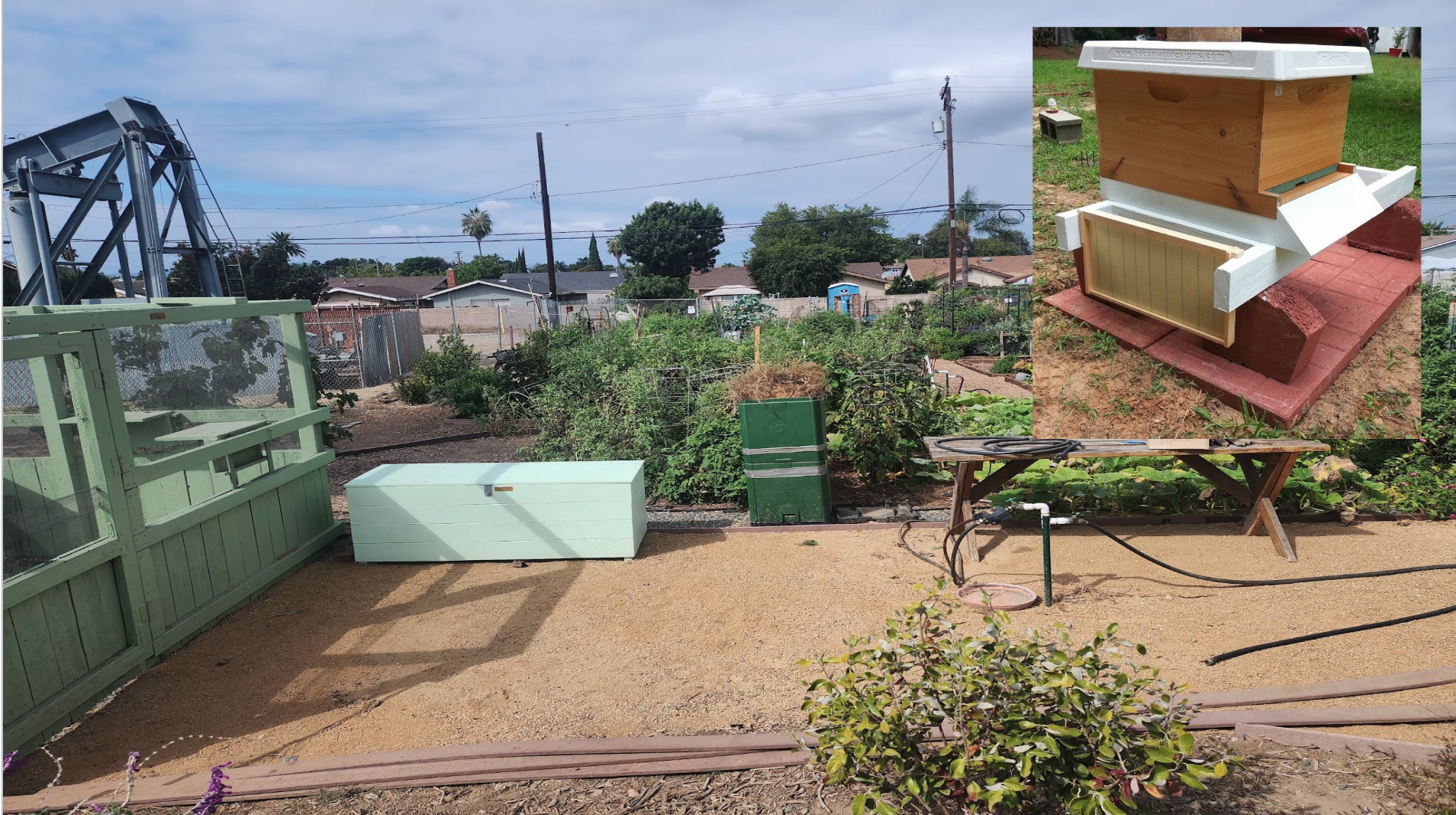
Pollinators support healthy plants, urban greening, and resilient neighborhoods. When an empty lot is cleared with organic methods, planted for biodiversity, and visited regularly by trained stewards, it becomes a cared-for space that benefits the whole block.
Want to learn more? See guides and articles for practical beekeeping and habitat tips you can use at home or in shared spaces.
We walk the lot with the owner, review access and visibility, and confirm whether the site is suitable for habitat work.
The site is cleared and prepped, then mapped for native planting and a managed hive area where appropriate.
Enclosures, planting zones, and safety signage are installed so the lot has clear structure and regular care patterns.
Volunteers follow recurring checklists for maintenance, observations, and issue reporting throughout the season.
Visual change: cleaner lots with defined planting and care zones
Regular presence: predictable stewardship activity instead of neglect
Public learning: clear touchpoints for neighbors and volunteers
 What the pilot can include
 Why owners participate
Pilot participation depends on site suitability, permits, and owner agreement. Not every lot is a match for hives, and we’ll be clear about that from the start.
Hosting a hive at your home? Apply to host a hive (residential single-hive program).
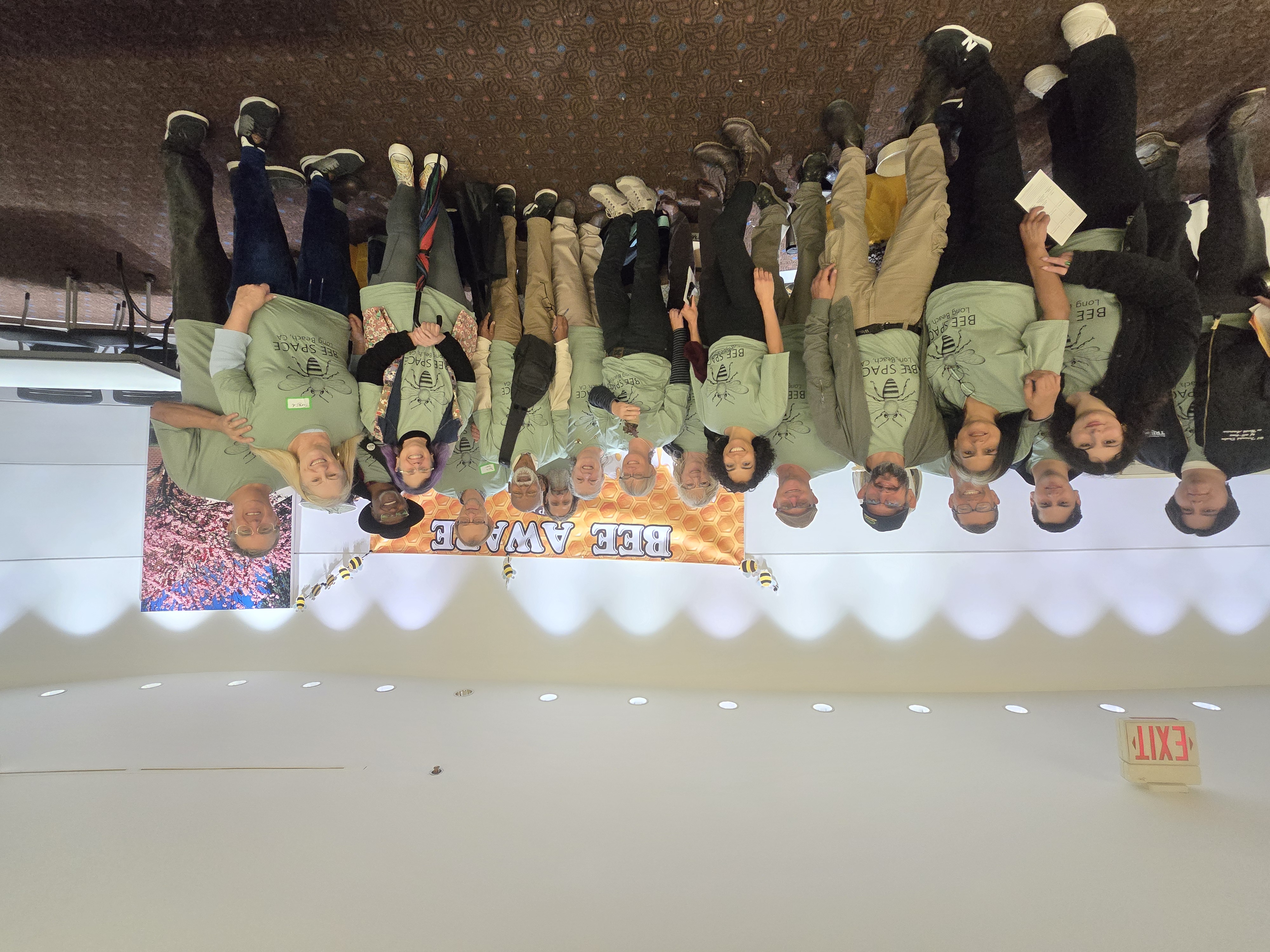
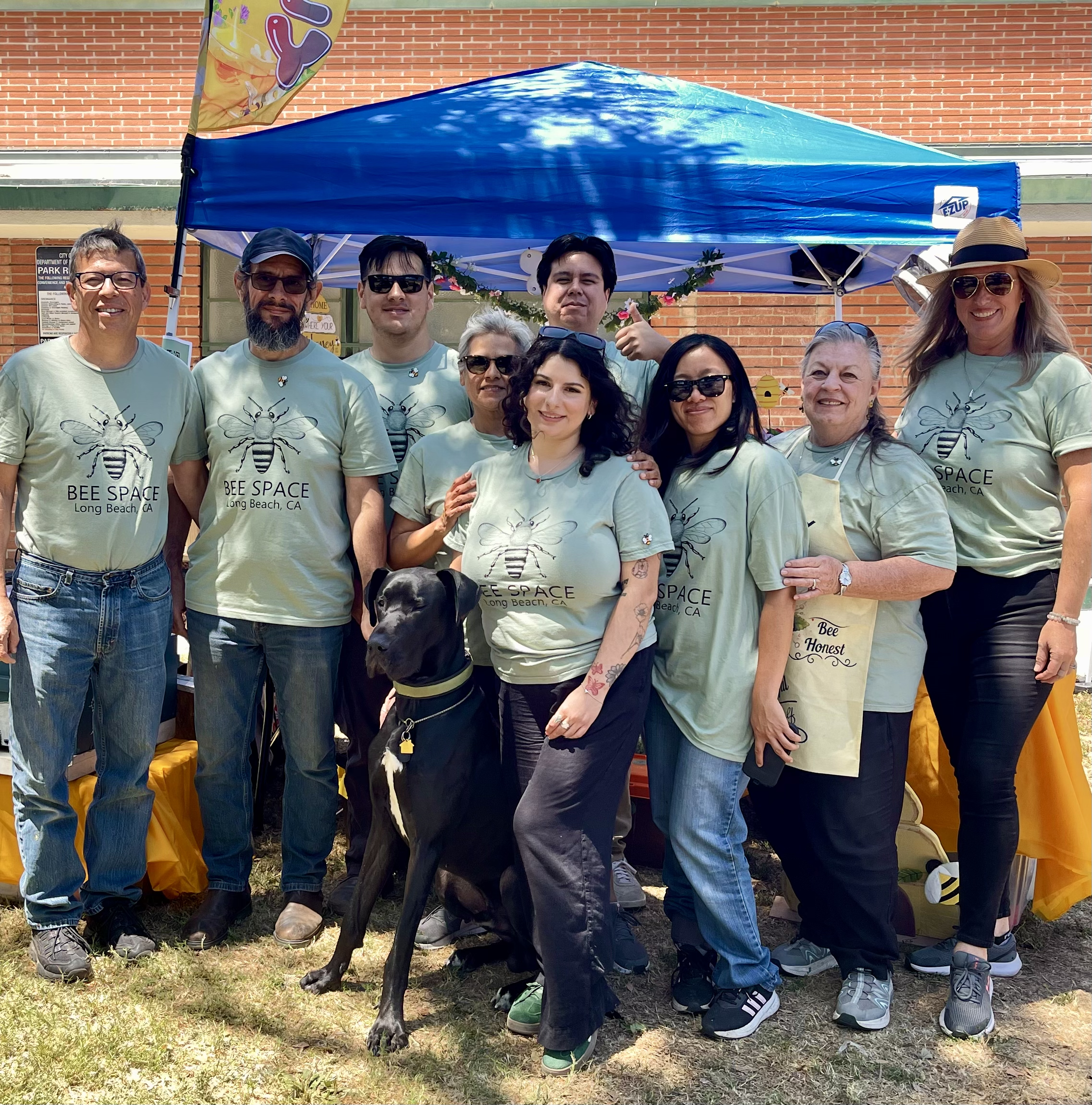
Hands-on help makes this pilot possible. Volunteers assist with planting days, site checks, educational events, and, where qualified, hive work under supervision. You don’t need to be an expert on day one; orientation covers safety, expectations, and how to report concerns.
Typical ways to contribute
Time commitment varies by site and season. We aim for predictable schedules and clear communication.
Onboarding in 3 steps
Use the volunteer signup form below so we can plan orientation—general questions can still go through contact.
Volunteers who occasionally share surplus honey from their own hives should read the volunteer advisory for your county: Los Angeles County or Orange County. BeeSpace does not sell honey or other products; any exchange is between you and the neighbor.
Volunteer with BeeSpace
Tell us a little about yourself — we’ll follow up about orientation and shifts that fit. No experience required.
Planting, stewardship, and neighbor welcome. Experience optional.
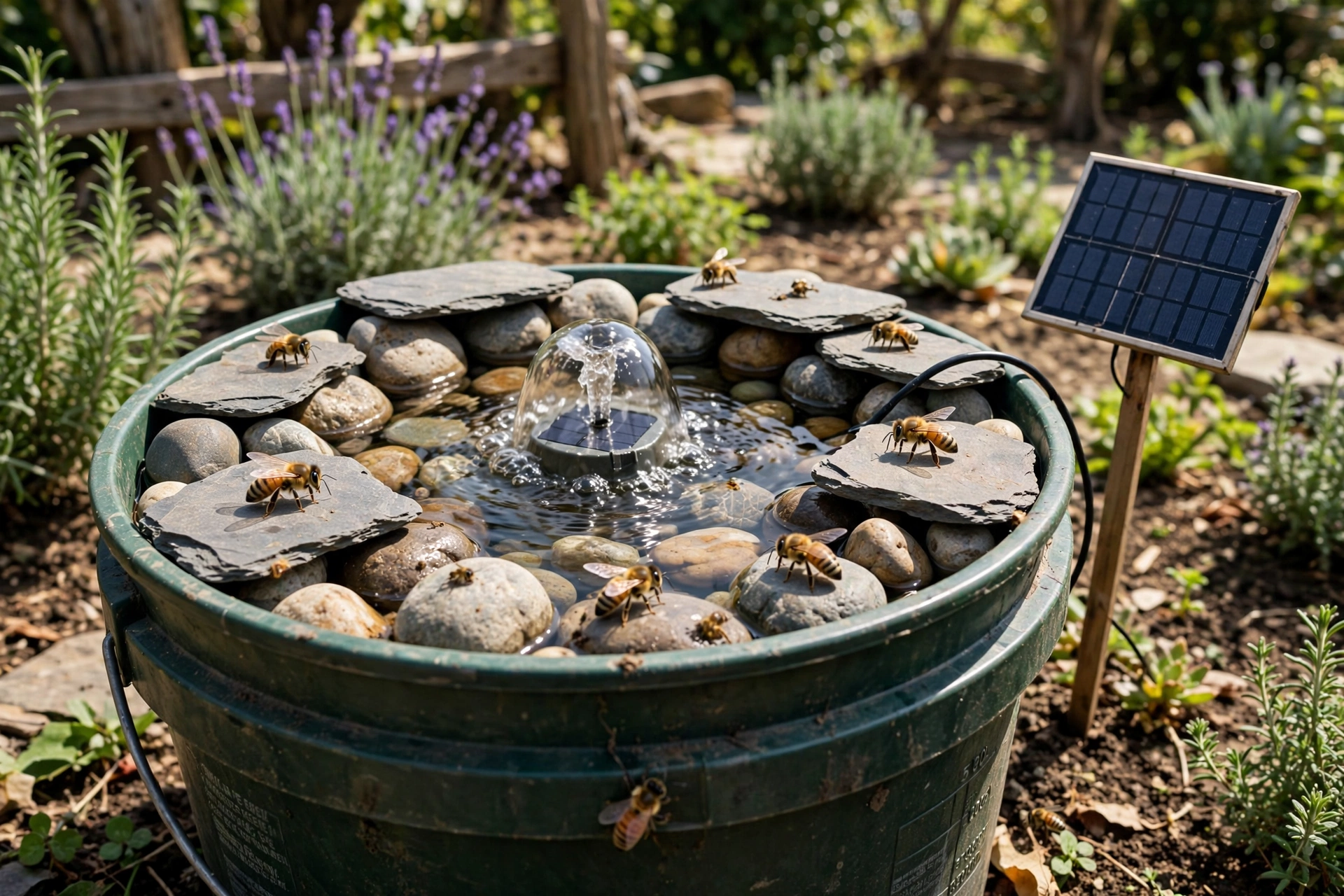
A rinsed 5-gallon food-grade bucket, about 14.5 inches tall and 12 inches across, filled about three quarters with 1–3 inch river rock so the water is only about 2 inches deep. Flat landing stones sit with dry crowns above the water. A small solar fountain, about 1.5 watts, uses a separate panel on a stake and a bubbler head, not a spray jet. The pump sits at the bottom. The panel stays dry beside the bucket. The cable is low voltage only, with no mains power. The waterline stays 1–2 inches below the rim. A pinch of sea salt is optional.
Parts
Build notes
Questions about this station: leo.rios@beespace.live
The program uses managed hive practices and site layout choices designed to reduce direct interaction with foot traffic.
Sites are structured with clear boundaries, visible pathways, and signage so neighbors understand where activity happens.
Volunteers and owners follow a simple reporting path to the project lead, with documented follow-up during regular checks.
Participation remains voluntary. Site decisions are discussed directly with the owner and adjusted with clear next steps.
Use the Almanac right inside BeeSpace to browse seasonal notes, planning prompts, and weekly field context without leaving the site.
Prefer full screen? Open directly: beespace-weekly-almanac app.
Articles and playlists on this site cover beekeeping basics, seasonal care, and harvest practices. They are meant for curious neighbors and active beekeepers alike.
Equipment, hive location, bee behavior, and colony basics for new beekeepers.
Getting started guide →Year-round tasks from spring build-up through winter prep.
Seasonal care guide →Timing, extraction, processing, and keeping colonies strong after harvest.
Harvest guidance →County advisories for LA and Orange County—not legal advice. BeeSpace does not sell products.
LA County advisory → · Orange County advisory →Curated beekeeping playlist and visual walkthroughs.
Video tutorials →Featured videos on bees, plants, and related topics.
Browse videos →Full archive of posts and topics.
All guides →Beekeeping and habitat work are stronger when people share what they learn. When available, BeeSpace hosts sessions and discussion alongside written and video resources.
BeeSpace exists to make sustainable beekeeping and pollinator-friendly land use easier to understand and safer to practice in cities. We focus on education, careful site work, and respectful collaboration with neighbors and property owners.
We work toward local communities where:
BeeSpace is a member of:
Property owners and general questions use this form. Volunteers: use the volunteer signup form.
Applying to host a hive at home? Use the residential host application.
Leo Rios — BeeSpace
Send a message